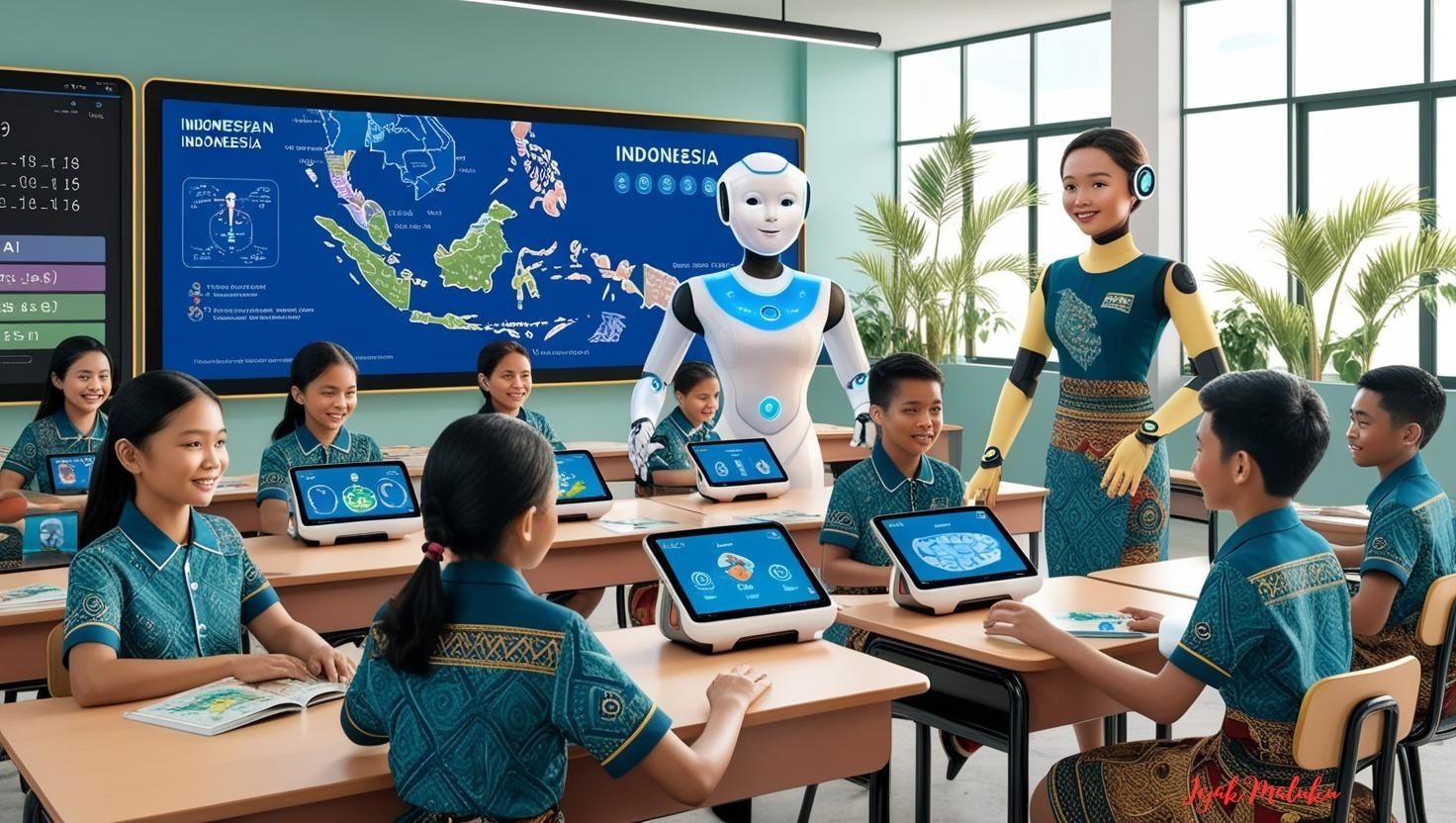
In the rapidly evolving landscape of education, artificial intelligence (AI) is emerging as a transformative force, particularly through its ability to personalize learning experiences. AI-based personalization tailors educational content, pace, and methods to the unique needs, abilities, and preferences of individual learners. This approach contrasts sharply with traditional one-size-fits-all models, promising greater engagement, efficiency, and accessibility. In 2025, discussions among academics and tech enthusiasts, especially in Indonesia and globally, highlight both the potential and the challenges of this technology, making it a trending topic in educational innovation.
AI-driven personalization operates by analyzing vast amounts of data, such as students’ performance, learning styles, and behavioral patterns. Adaptive learning platforms, for instance, are at the forefront of this revolution. Tools like Duolingo or Khan Academy use AI algorithms to adjust question difficulty or recommend resources based on a learner’s progress. In Indonesia, edtech platforms like Ruangguru and Zenius have begun integrating similar features, offering personalized practice questions and video lessons. These platforms claim to boost learning efficiency by up to 30%, particularly for high school students preparing for national exams. Such advancements resonate with tech enthusiasts who see AI as a way to make education more engaging for digital-native generations.
Beyond adaptive platforms, AI tutors and chatbots are gaining traction. These tools, powered by natural language processing, provide 24/7 support, answering questions and simulating discussions. In Indonesia, where teacher shortages are acute in remote areas like Papua or East Nusa Tenggara, AI chatbots are being explored as a solution to bridge educational gaps. Social media platforms like X buzz with excitement over such innovations, with users sharing stories of students in underserved regions benefiting from virtual tutors. However, skeptics on the same platform raise valid concerns about scalability, noting that unreliable internet access in rural areas could limit impact.
Another exciting application is predictive analytics, where AI forecasts academic risks, such as potential dropouts or subject-specific struggles, by analyzing data like grades and attendance. Universities in Jakarta are piloting such systems to improve graduation rates, allowing timely interventions for at-risk students. Additionally, AI enhances engagement through interactive content and gamification. For example, history enthusiasts might explore virtual simulations of historical events, while science lovers engage in AI-generated lab experiments. These tailored experiences make learning more immersive, a point frequently celebrated in academic forums and tech communities.
Despite its promise, AI-based personalization faces significant challenges. Privacy concerns loom large, as AI systems require extensive data collection, raising questions about how student information is stored and used. In Indonesia, where data protection regulations are still evolving, this issue sparks heated debates among academics. Accessibility is another hurdle. While urban centers like Jakarta benefit from robust infrastructure, rural schools often lack the devices or connectivity needed for AI tools, risking a wider digital divide. Furthermore, there’s a fear that over-reliance on AI could diminish the role of teachers. Most experts, however, argue that AI should complement, not replace, human educators, a sentiment echoed in X discussions where users advocate for teacher training to integrate AI effectively.
In Indonesia, the government’s Merdeka Belajar initiative is beginning to embrace AI, with pilot programs testing personalized learning for both students and teachers. Universities like Bandung Institute of Technology and the University of Indonesia are researching AI’s role in flexible curricula, signaling a commitment to innovation. Yet, the path forward requires addressing ethical, infrastructural, and inclusivity challenges to ensure AI benefits all learners, not just those in privileged settings.
In conclusion, AI-based personalization in education represents a paradigm shift, offering tailored learning experiences that could redefine how knowledge is acquired. Its ability to adapt to individual needs, predict challenges, and engage learners makes it a focal point for academics and tech enthusiasts alike. However, realizing its full potential demands careful navigation of privacy, accessibility, and equity issues. As Indonesia and the world embrace this technology, the balance between innovation and inclusivity will determine its success, ensuring that personalized education becomes a reality for every learner.


https://shorturl.fm/hevfE
https://shorturl.fm/PFOiP